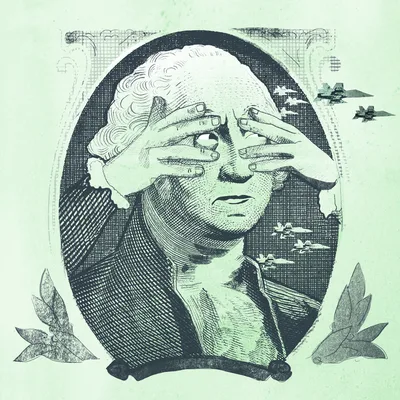
How Midterm Elections Historically Affect Equity Markets
Midterm election cycles carry distinct patterns for stock markets. Here is what history shows and what investors may already have priced in.
Midterm elections in the United States have long been watched closely by equity investors, as historical patterns suggest the political cycle can influence market performance in meaningful ways. Analysts have repeatedly noted that the period surrounding midterms tends to produce heightened volatility, followed by stronger-than-average returns in the subsequent months.
Historically, equity markets have often struggled in the lead-up to midterm votes, as policy uncertainty weighs on investor sentiment. Once results are known and the political landscape becomes clearer, markets have frequently rebounded — a dynamic some strategists attribute to the relief that comes with reduced uncertainty, regardless of which party gains or loses ground in Congress.
Read more Analyst Warns Against Buying Nike Stock Despite Sharp Decline →
A divided government outcome, in which one or both chambers of Congress shift away from the sitting president's party, has traditionally been viewed with cautious optimism by markets. The reasoning holds that legislative gridlock limits the scope of sweeping policy changes, offering businesses a more predictable regulatory and tax environment in the near term.
The question of what is already priced into equities ahead of any midterm cycle is a persistent one among portfolio managers. Markets tend to be forward-looking, meaning that if a particular electoral outcome is widely anticipated, much of the associated market reaction may occur before ballots are cast rather than after. Surprises — in either direction — carry the greatest potential to move asset prices sharply.
Investors weighing midterm dynamics are advised to consider both the historical tendencies and the specific macroeconomic backdrop of a given cycle, as broader conditions such as inflation, interest rates, and corporate earnings can amplify or dampen any election-driven market moves. Continue reading at All News.